Hidden Bathroom Renovation Costs You Should Know Before You Start

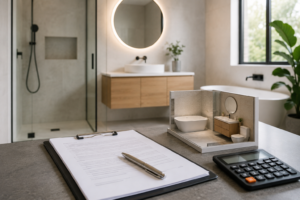
Planning a bathroom makeover is exciting, but many homeowners are surprised when the final bill is much higher than expected. While it’s easy to budget for new tiles, vanities, and fixtures, several hidden expenses often appear once work begins. Understanding these costs before you start can help you plan better, avoid financial stress, and make informed decisions throughout your project. Here are some hidden costs you should consider when planning and budgeting for bathroom renovation costs, as they will help you avoid surprises.
1. Old Plumbing and Electrical Systems
Older homes often have outdated plumbing and electrical systems that no longer meet current building standards. Once walls or floors are opened, your contractor may discover corroded pipes, old wiring, or plumbing layouts that need to be replaced. Upgrading these systems is essential for safety, efficiency, and long-term reliability. Although it may increase your renovation budget, replacing ageing plumbing and electrical components now can prevent costly repairs later. It’s always better to address these issues during the renovation rather than after your new bathroom is complete.
2. Mould, Mildew, and Water Damage
During demolition, it’s common to uncover moisture damage hidden behind walls, under tiles, or beneath flooring. Leaking pipes, poor ventilation, and ageing grout can all contribute to mould and mildew growth over time. Repairing water damage can quickly add to your renovation expenses because damaged timber, insulation, or plasterboard often needs to be replaced before new materials can be installed. To avoid unexpected financial strain, homeowners should include at least 10% of their renovation budget as a contingency for potential mould remediation and water damage repairs.
3. Permits and Inspections
Depending on the scope of your renovation, council permits, and mandatory inspections may be required, particularly if plumbing or electrical work is involved. Permit costs are often overlooked during budgeting, but they are necessary to ensure your renovation complies with local building regulations. Working with an experienced renovation company helps ensure all required approvals are arranged before construction begins, avoiding delays and potential penalties later.
4. Demolition and Waste Disposal
Removing old tiles, vanities, bathtubs, and fixtures creates a significant amount of construction waste. Disposal costs can include skip bin hire, transport fees, and recycling charges for certain materials. If asbestos or other hazardous materials are discovered in older homes, specialised removal is required, which can significantly increase project costs. Factoring in demolition and disposal expenses in your renovation budget will help you avoid surprises.
5. Unexpected Design Changes
Changing your design after construction has started can lead to higher costs and unnecessary delays. Swapping fixtures, adjusting layouts, or selecting different materials midway through the project often means additional labour, new material orders, and scheduling changes. These revisions can quickly increase the overall cost of the bathroom renovation, especially if the completed work needs to be removed and redone. To avoid these extra expenses, finalise your layout, fixtures, colours, and materials before construction begins. Consulting with a designer early in the planning process can help ensure every detail is carefully considered before work starts.
6. Extended Timelines
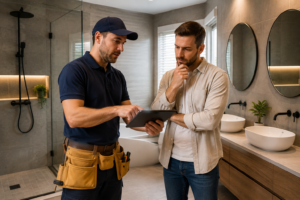
Project delays are another hidden expense homeowners often overlook. Materials may be back-ordered, suppliers can experience delays, or unexpected structural issues may require additional repairs before work can continue. Longer renovation timelines usually result in increased labour costs and added inconvenience for homeowners. Choosing an experienced bathroom renovation specialist can help minimise delays by creating a realistic schedule, coordinating trades efficiently, and communicating clearly throughout every stage of the project.
7. Additional Features and Upgrades
It’s easy to get carried away with premium upgrades once your renovation is underway. Heated flooring, custom cabinetry, luxury tapware, smart mirrors, and designer lighting can all make your bathroom more comfortable and stylish, but they can also stretch your budget. While these upgrades certainly add value, they aren’t always essential. Focus on your must-have features first and consider luxury additions only if your budget allows. An experienced bathroom renovator can recommend practical alternatives that achieve a similar look without unnecessary overspending.
8. Ongoing Maintenance Costs
Many homeowners focus entirely on construction costs and forget about long-term maintenance. Certain premium materials require specialised cleaning products, sealing treatments, or regular maintenance to maintain their appearance and durability. Before selecting tiles, natural stone, or high-end finishes, ask your renovator about their ongoing maintenance requirements. Choosing low-maintenance materials can save both time and money while still delivering a beautiful, modern bathroom.
Plan Your Bathroom Renovation With Wow Bathroom Renovations
Preparing for hidden expenses such as plumbing upgrades, water damage, permits, demolition, timeline delays, and unexpected design changes can help you stay within budget and avoid unnecessary stress. At Wow Bathroom Renovations, every project begins with careful planning, transparent pricing, and expert guidance to help homeowners avoid costly surprises. Whether you’re making small upgrades or completely transforming your family bathroom, contact us for quality workmanship and budget-friendly bathroom renovation services.
Frequently Asked Questions
How much should I set aside for unexpected renovation costs?
A good rule is to set aside an extra 10–20% of your renovation budget for unexpected issues such as water damage, plumbing repairs, or structural work that may only become apparent during demolition.
How can I avoid hidden costs in a bathroom renovation?
Plan your renovation carefully, finalise your design before work begins, and hire an experienced renovation company that provides a detailed quote.
What is the most expensive part of renovating a bathroom?
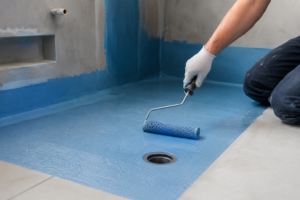
Labour, plumbing, waterproofing, and structural repairs are typically the biggest expenses. If your bathroom layout changes, relocating plumbing and electrical services can significantly increase costs.
What is the best time to renovate a bathroom?
In Adelaide, bathroom renovations can be completed year-round. However, many homeowners prefer autumn to winter because the weather is generally mild, making ventilation, drying, and construction conditions more favourable.