How Long Does Bathroom Waterproofing Take to Cure—and Why Rushing It Fails

Bathroom waterproofing protects your walls and floors from constant moisture caused by showers, spills, and plumbing. Without proper protection, water can penetrate beneath surfaces and eventually lead to seepage, mould, structural damage, and damaged finishes. Knowing how long bathroom waterproofing takes to dry and cure is crucial because the membrane needs time to develop strength and seal the joints to create a reliable moisture barrier. In this blog, we will discover how long bathroom waterproofing takes to dry.
What Is Bathroom Waterproofing Curing?
Bathroom waterproofing curing is the process by which wet waterproofing layers harden into a strong, durable moisture barrier. The material dries and reacts with the air. It then turns into a rubbery or hard protective layer. Typically, the waterproofing coating generally requires 24 to 72 hours to dry and cure fully, depending on temperature and humidity. Some cementitious coatings may require water or misting during the initial curing period so they do not dry too fast and crack.
How Does the Process Work?
Here is how the waterproofing curing process works:
- Initial Application: Proper surface preparation is the crucial step. Cleaning away the dust and filling gaps allows waterproofing layers to grip properly into the surface.
- Phase Transition: The wet liquid layers gradually dry and change into a strong rubber-like protective shield.
- Chemical Bonding: When multiple coats are applied, they stick together to create a continuous protective barrier, forming one thick solid block.
Comprehensive Drying and Curing Timeline
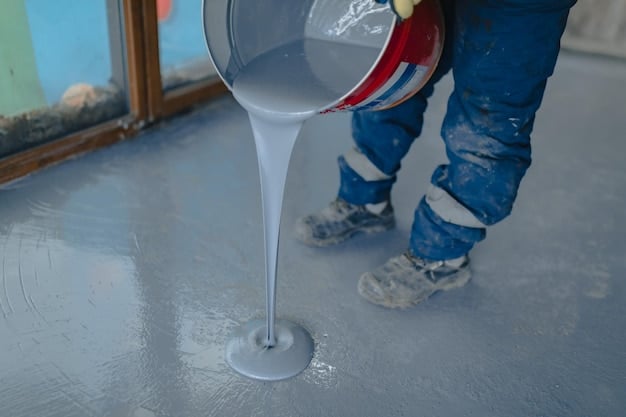
Drying time can vary depending on the waterproofing material and site conditions. The installation has multiple stages and a timeline starting with the application of liquid coats. You must wait 4-6 hours between coats or until the surface becomes completely tack-free. For multiple layers, apply the second coat perpendicular to the first to enhance coverage and eliminate missed patches.
Once the final layer is on, the complete membrane requires a final cure time of 24 to 72 hours. Only after this full curing period can you conduct a flood or ponding test to verify the system’s structural strength. Finally, before installing thin-set mortar and grout, you must strictly follow the manufacturer’s recommended wait times. This will ensure that the tiling layers do not face premature exposure to moisture. Always follow the product instructions first because each chemical formula dries and hardens differently.
Environmental Factors That Affect Curing
Environmental factors like temperature and humidity affect how coatings and membranes dry and cure.
- High humidity can slow down water evaporation and increase the total drying time.
- Excessive dry heat can cause the outer surface to dry too quickly.
- Rapid drying leads to the surface cracking and weakening the waterproofing layer.
- Never force the membrane to dry faster than recommended.
Why Rushing Waterproofing Cure Time Fails
Tiling or testing waterproofing before it has properly cured can compromise the entire system. An uncured membrane may shrink, crack, or pull away from corners. Adhesives may also fail to grip properly if the waterproofing surface has not reached the required cured condition. Waiting for the recommended cure time is therefore an important part of ensuring the waterproofing performs as intended.
Why Choose Wow Bathroom Renovations Adelaide
If you are planning a bathroom renovation in Adelaide, Wow Bathroom Renovations can help ensure waterproofing is handled correctly. We offer certified waterproofing for long-term protection, along with licensed trades, fixed-price contracts, and a complete design-to-build service. We also offer a free on-site design consultation and detailed quote, making it easier to plan your renovation with waterproofing, tiling and installation properly coordinated from the start. Contact us today for your free on-site consultation.
FAQs
How do I know if my waterproofing is fully cured?
Adhere to the product’s recommended curing time and ensure the surface is dry or has cured to the recommended level. It should not get sticky or wet.
What happens if I tile over uncured waterproofing?
If tiling is done prematurely, it can disrupt adhesion and can damage or compromise the waterproofing membrane. Always make sure to cure the membrane properly first.
How long should I wait before doing a flood test?
Do not perform flood or ponding tests until the waterproofing has been completely cured. For many systems, this is at least the 24–72 hour curing time recommended.
Can I use a fan to speed up the drying?
A fan may help promote air movement, but waterproofing shouldn’t need to be rushed or forced to dry beyond the manufacturer-recommended process. Excessively quick drying can lead to cracking.